
Technical guides
Practical background for range operators and procurement teams: how to specify ballistic protection, what the certifications really prove, and what it costs across the EU.
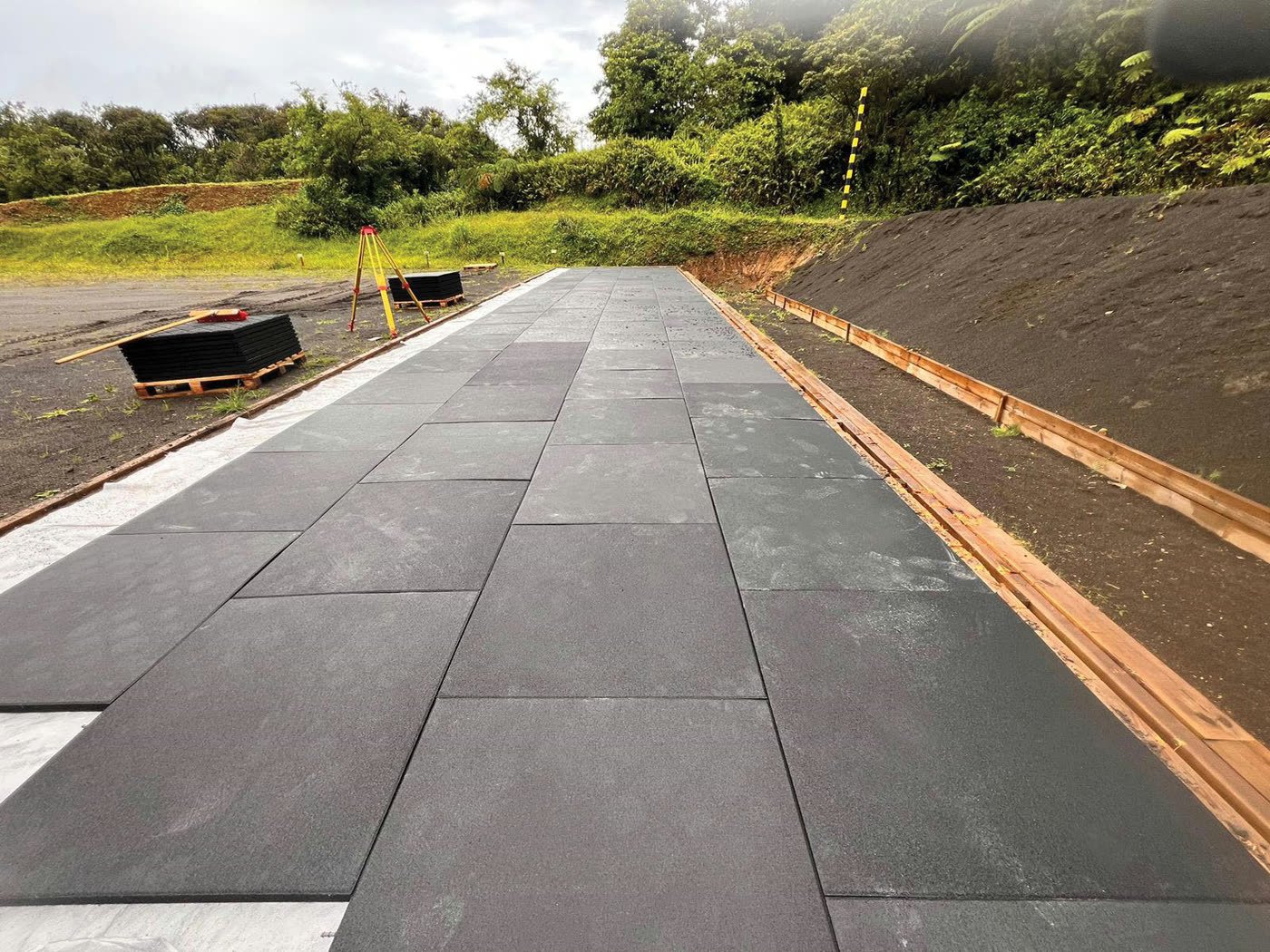
Where to Buy Ballistic Rubber in Europe
Which countries manufacture it, what it costs, and why weight and distance decide the landed price.
Read the guide →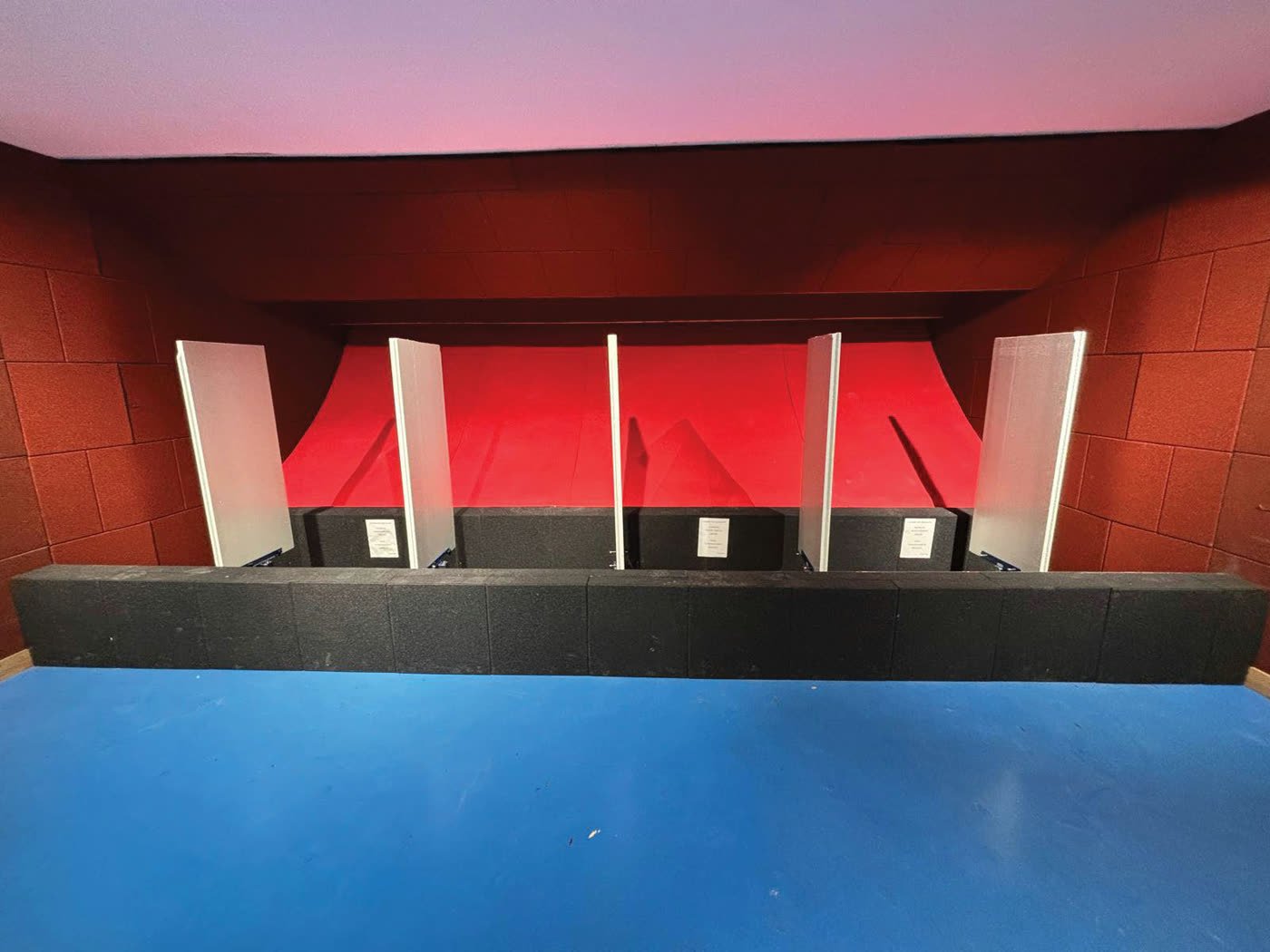
Ballistic Rubber vs Steel Bullet Traps
Which to choose for a range, backed by 67 instrumented shots and ricochet angles per calibre.
Read the guide →
Weapon Clearing Stations: How to Choose
BC-1, BC-2 ARMY, Tactical and Pistol compared across calibres, impact energy and inlet size.
Read the guide →
How a Weapon Clearing Station Works
Cassette technology, bullet defragmentation and lead dust capture — versus sand traps and improvised barrels.
Read the guide →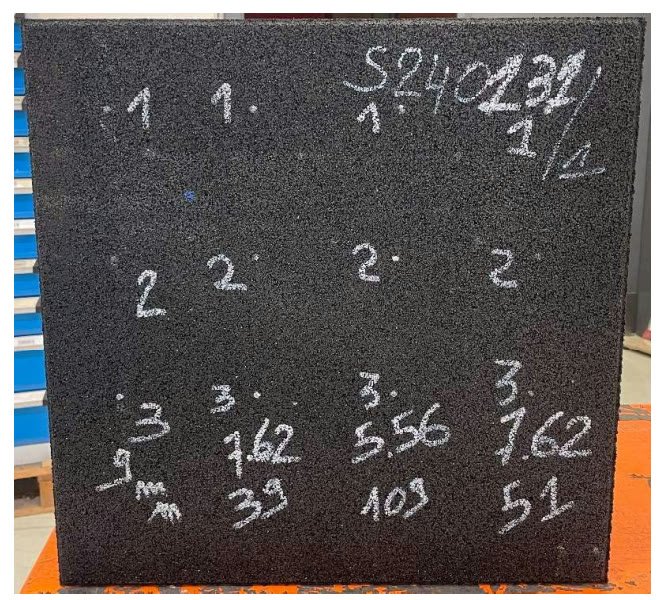
How to Verify a Ballistic Equipment Supplier
What ISO 9001, NATO NSN, NIJ Level IV and an accredited test report actually prove — and what they do not.
Read the guide →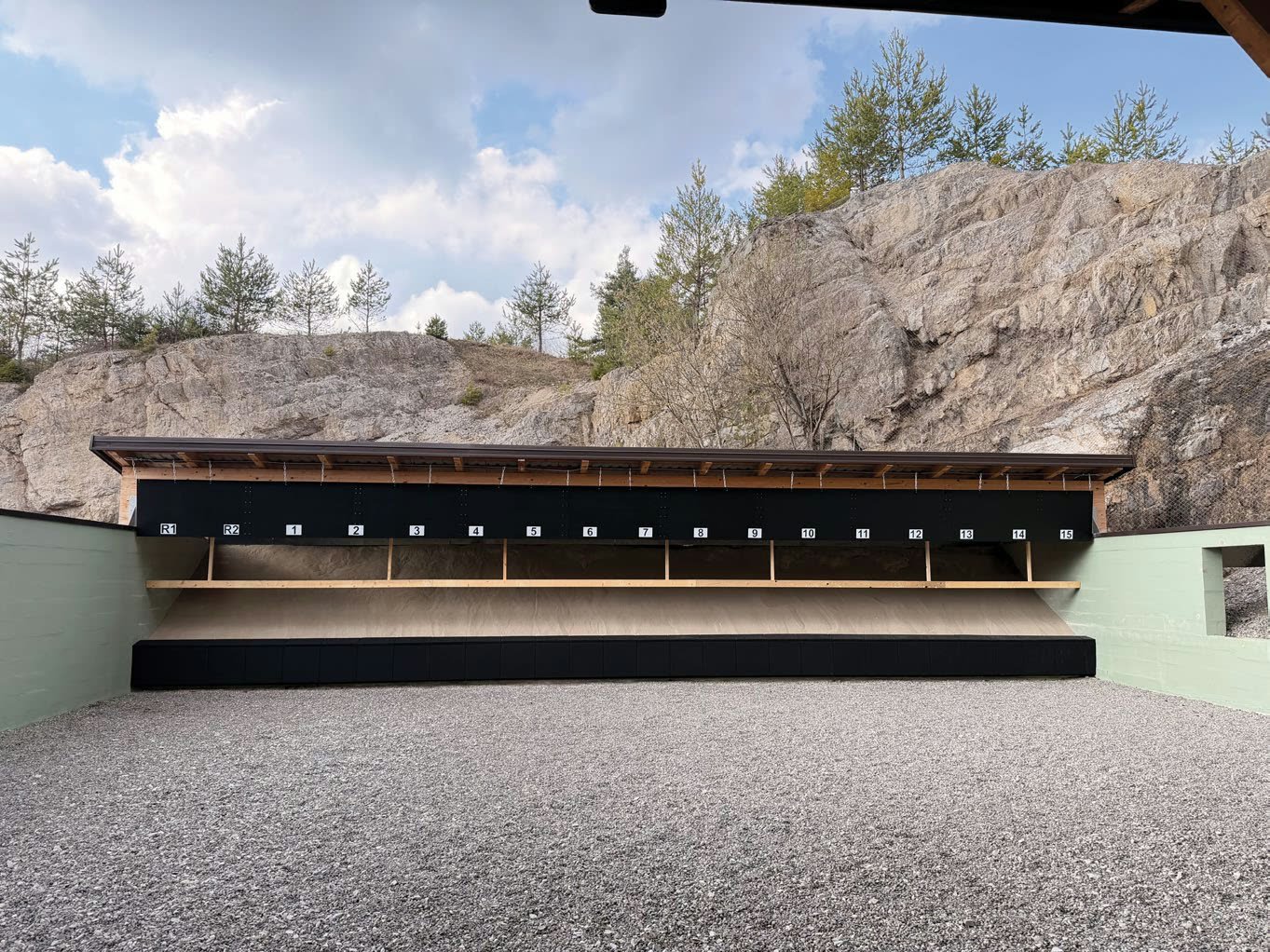
Buying Shooting Range Equipment in the Baltics
CPV codes, procurement portals and the documentation pack a supplier should hand you.
Read the guide →Before you buy: cost, quantities and comparisons
Answers to the questions buyers ask before ordering bullet traps, range lining, clearing stations and targets.
Why Order Shooting Range Equipment From BulletTrap Baltic?
What you get from an EU supplier: independent test reports, documents for tenders, delivery from Lithuania.
Read the guide →What Makes Up the Cost of a Rubber Bullet Trap and Range Lining?
Area, thickness, steel plate, fixings, freight and upkeep: what the price of a rubber trap is made of.
Read the guide →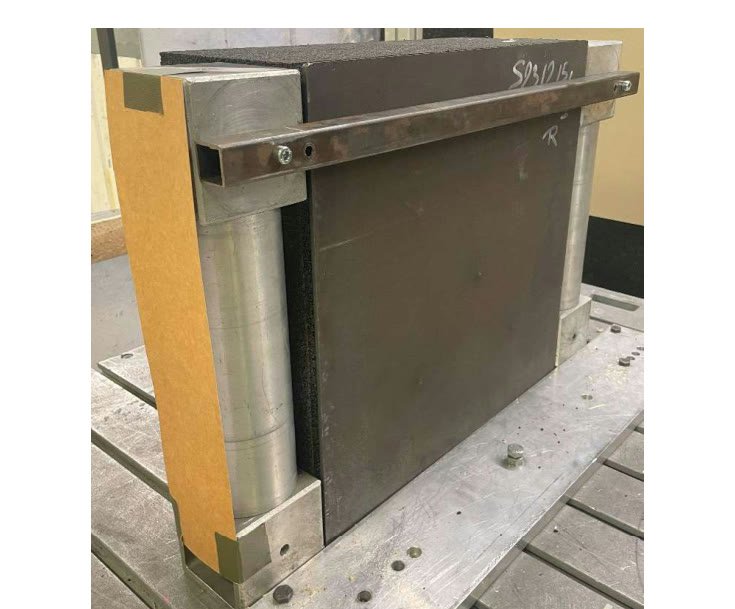
Sand, Wood, Steel, Granulate or Rubber Blocks: Which Backstop Costs Less to Own Over 10 Years?
Sand, wood, steel, granulate or rubber blocks compared on repair, lead, ricochet and replacement over ten years.
Read the guide →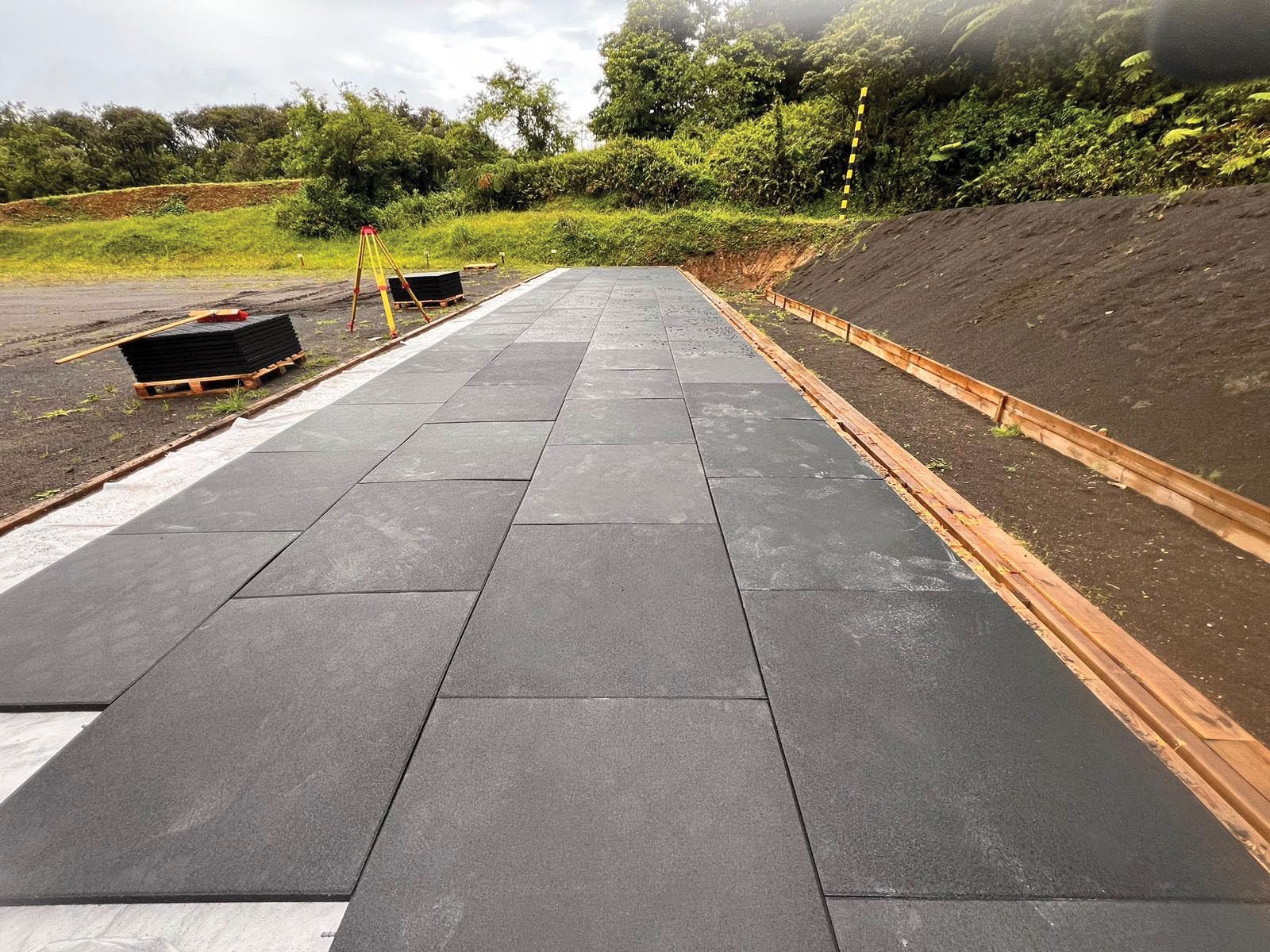
How Many Ballistic Rubber Tiles and Blocks Does a Shooting Range Need?
From wall area to pieces and tonnes, with two worked examples for an indoor range.
Read the guide →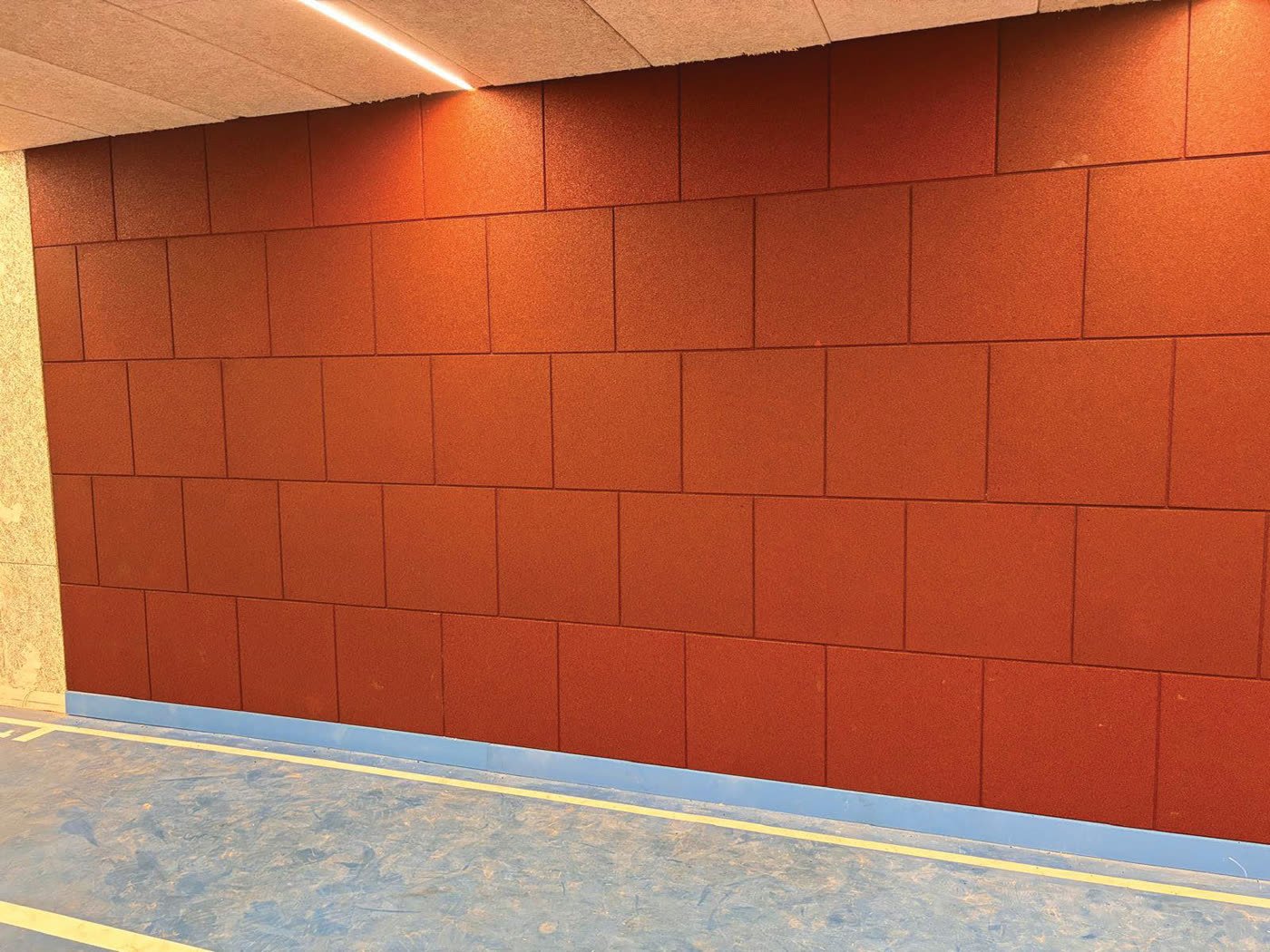
Replace a Damaged Tile or the Whole Wall? Repairing Rubber Range Lining
How rubber lining wears and what is replaced after heavy use, compared with granulate and steel.
Read the guide →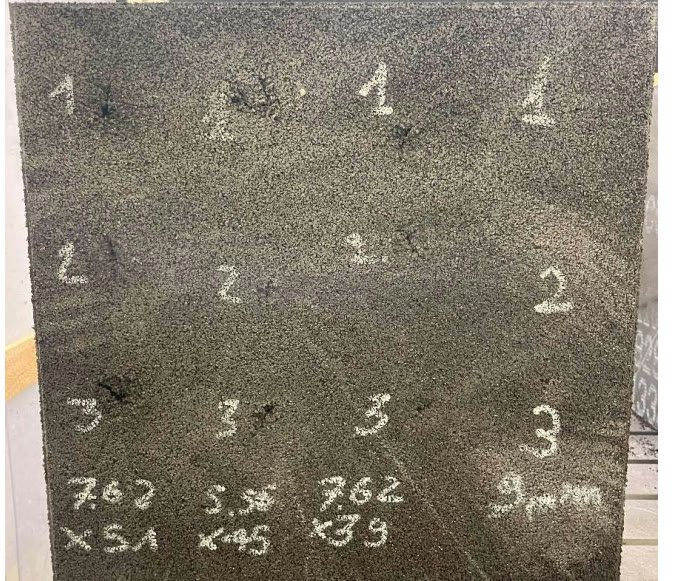
Rubber Block Trap or Granulate Trap: How Do They Differ?
How a block trap and a granulate trap are built, and what that means for lead, upkeep and ricochet.
Read the guide →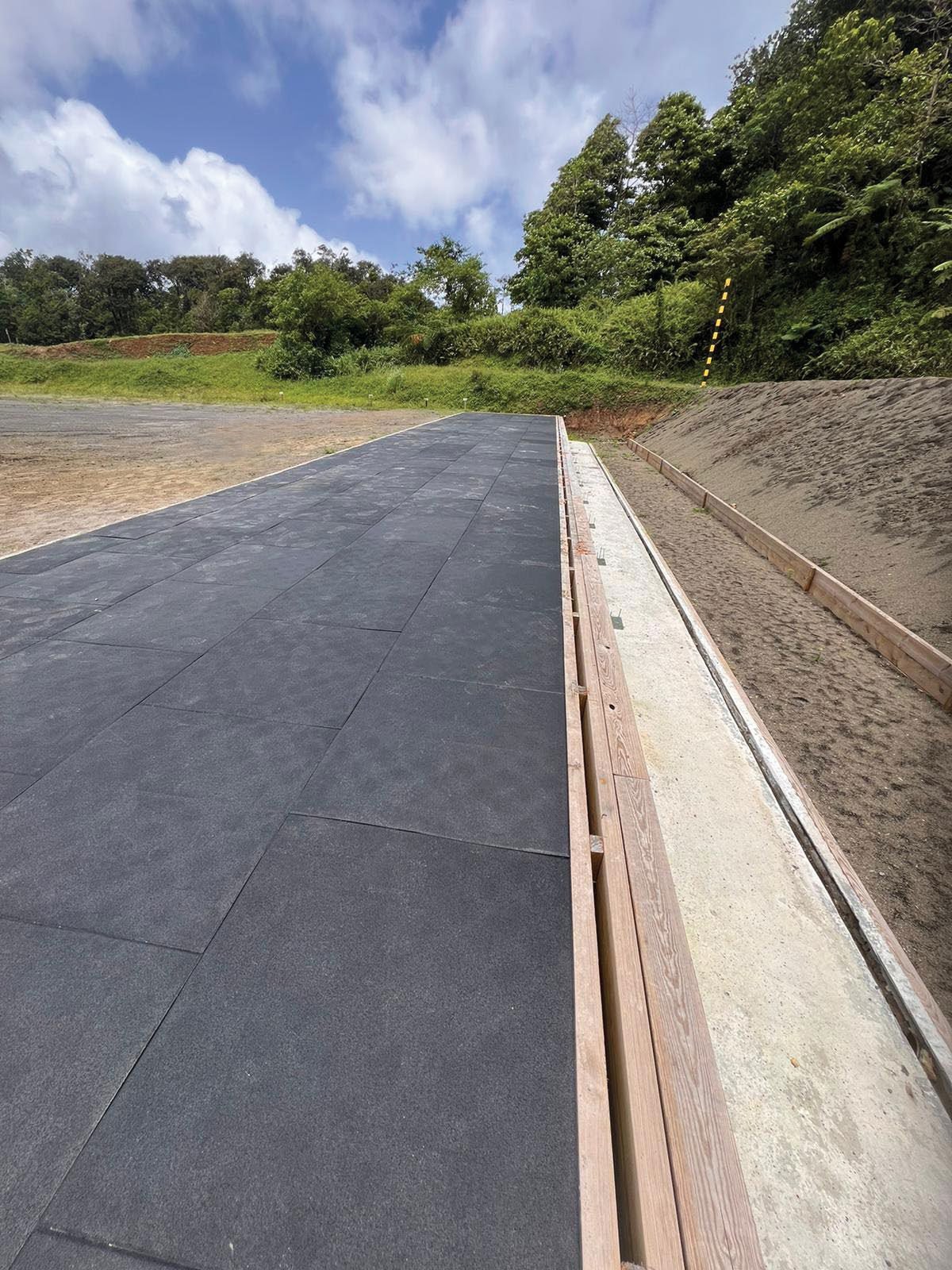
Wood or Rubber on Shooting Range Walls?
What range rules say about wood, and how rubber compares on ricochet, fire and replacement.
Read the guide →
Clearing Barrel From a European Supplier or Imported From the US?
Documents, stock numbers, customs and delivery when you buy a clearing station inside the EU.
Read the guide →How Much Does a Moving Target System Cost?
What a moving target lane costs, built from our published prices for systems and shielding.
Read the guide →Range design, safety and standards
Ricochet, lead, ventilation, fire and the national rules that shape an indoor range, with the documents behind every number.
What Equipment Does an Indoor Shooting Range Need in Europe?
Zone by zone: trap, wall and ceiling lining, baffles, floor, ventilation and lighting, with the rules behind each.
Read the guide →How to Stop Ricochet in an Indoor Shooting Range
How VPAM ARG tests lining, and the impact angles at which our tiles held the bullet.
Read the guide →Shooting Range Baffles: When You Need Them and What Covers Them
When a range needs baffles and what covers them, by country.
Read the guide →How Thick Should the Steel Plate Behind a Rubber Bullet Trap Be?
6 and 10 mm in VPAM ARG versus the thickness range rules ask for behind an installed trap.
Read the guide →Lead Dust in an Indoor Shooting Range: EU Limits and Measurement
The EU lead limits from Directive (EU) 2024/869 and how ranges measure exposure.
Read the guide →Indoor Shooting Range Ventilation: Airflow and Exhaust Requirements
Airflow at the firing line and extraction above supply, from the documents that set them.
Read the guide →Is a Rubber Bullet Trap a Fire Risk?
What causes fires in rubber traps, what Efl and Cfl mean, and what operators do about it.
Read the guide →
EN 1522, EN 1063, VPAM or NIJ: Which Standard Covers Which Part of a Building?
Which standard covers glass, windows, shutters and armour, with the calibres behind each class.
Read the guide →German Schießstandrichtlinien: What They Require From a Bullet Trap and Wall Lining
What the German range guidelines require from a bullet trap, steel lining and wall cladding.
Read the guide →Polish Indoor Shooting Range Rules (Dz.U. 2022 poz. 848): Walls, Ceiling and Bullet Trap
Walls, ceiling and bullet trap under Dz.U. 2022 poz. 848 for police and border guard ranges.
Read the guide →Clearing Barrel With a NATO Stock Number: How a European Armoury Checks the Supplier
How NATO stock numbers and NCAGE codes work, and what an armoury checks before buying.
Read the guide →